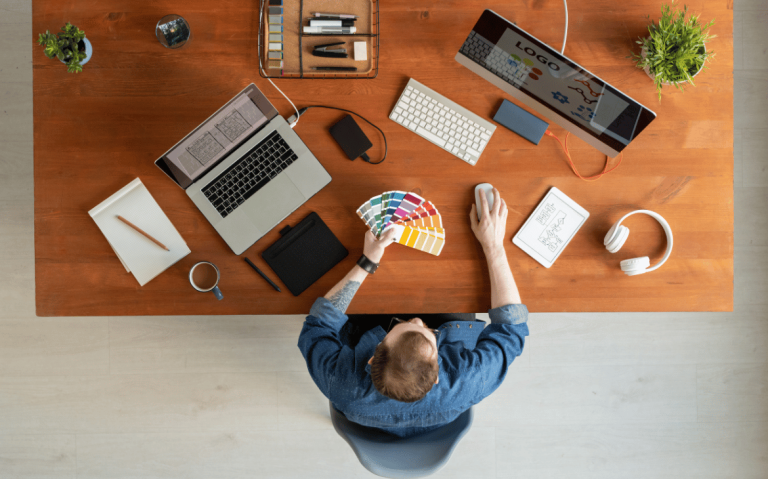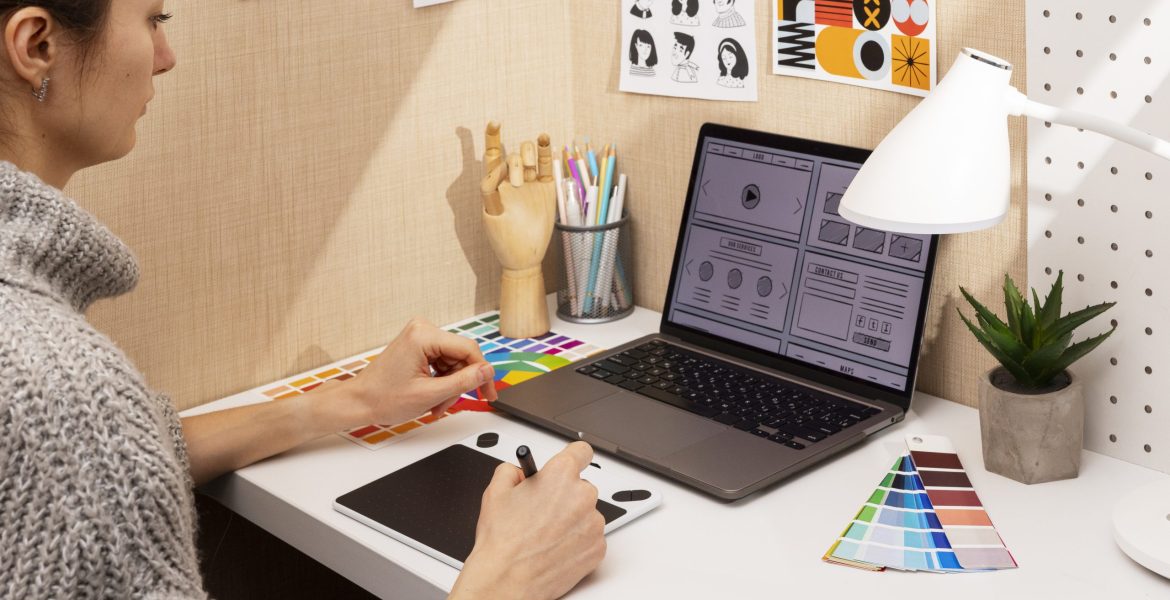
Gradients have been a staple in the design world for decades, ebbing and flowing in popularity. Once considered outdated or overly flashy, gradients are now experiencing a dynamic comeback as brands strive to stand out in an increasingly competitive digital space. When used thoughtfully, gradients can add depth, vibrancy, and modern flair to an otherwise flat design. Below, we explore why gradients are making such a compelling return, and how designers can effectively leverage them for maximum visual impact..
1. Why Gradients Are Gaining Popularity Again
1.1 A Break from Flat Design
For several years, flat design dominated the industry—favoring solid colors, minimal textures, and sparse layering. While flat design offers clarity and simplicity, it sometimes lacks the sense of depth and energy that gradients can provide. Today’s digital environment calls for eye-catching visuals, and gradients serve as a way to retain modern minimalism while injecting a burst of color and movement.
1.2 Evolving Technology
With advances in display technology—like high-resolution and OLED screens—gradients look smoother and more vibrant than ever before. These crisp transitions of color create a premium feel, enhancing the user’s experience on both desktop and mobile interfaces.
2. Core Principles of Gradient Usage
1 Choose Your Color Palette Wisely
A gradient’s effectiveness depends on harmonious color transitions. Designers commonly pair analogous hues—like blues transitioning into purples—or use complementary colors for higher contrast. Subtle, low-contrast gradients can communicate elegance, while bolder, high-contrast ones evoke energy.
2 Keep It Simple
While gradients can be dramatic, overusing them in multiple design elements might overwhelm your layout. Consider using gradients in one focal area—like a hero banner background, an icon set, or a call-to-action button—so that the design remains cohesive. Balance is key: too many gradients can distract rather than enhance.
3 Pay Attention to Direction
Gradients can flow linearly, radially, or diagonally. Each direction offers a distinct vibe:
- Linear Gradients feel direct and modern.
- Radial Gradients can add a sense of spotlight or emphasis at a central point.
- Diagonal Gradients bring dynamic, edgy energy..
- Green: Growth-oriented, eco-friendly, or prosperous.
3. Practical Applications
3.1 Branding and Logos
Gradients can refresh a static logo, giving it a contemporary twist. Companies like Instagram have used multi-color gradients to breathe new life into their logos, helping them stand out in an oversaturated digital space.
3.2 Website Backgrounds
Gradients as backgrounds create visual intrigue without excessive decoration. By blending soft hues, you can achieve a sophisticated design that subtly transitions from one color to another, serving as a backdrop for textual or graphical elements.
3.3 UI Elements and Call-to-Actions
For user interfaces, gradient buttons or icons can draw immediate attention. A bold gradient call-to-action button against a neutral background can dramatically boost click-through rates, as it instantly signals interactivity and importance.
4. Tips for Successful Gradient Design
- Start Subtle: If you’re new to gradients, lean on simpler color transitions. Overly complex or highly saturated gradients might clash with existing brand elements.
- Use Layering Techniques: Pair gradients with transparency or overlays for nuanced shading. This approach creates depth while preventing a design from looking too busy.
- Stay On-Brand: Always ensure the gradient colors align with your brand’s color scheme or messaging. Consistency cements brand recognition.
Conclusion
From bold statement pieces to subtle background effects, gradients have re-emerged as a versatile tool for designers aiming to create memorable, modern visuals. By choosing harmonious color palettes, experimenting with direction, and striking the right balance, you can elevate your designs beyond the ordinary. As screen technology and user expectations continue to evolve, gradients will likely remain a key trend, offering sophistication and vibrancy in equal measure.