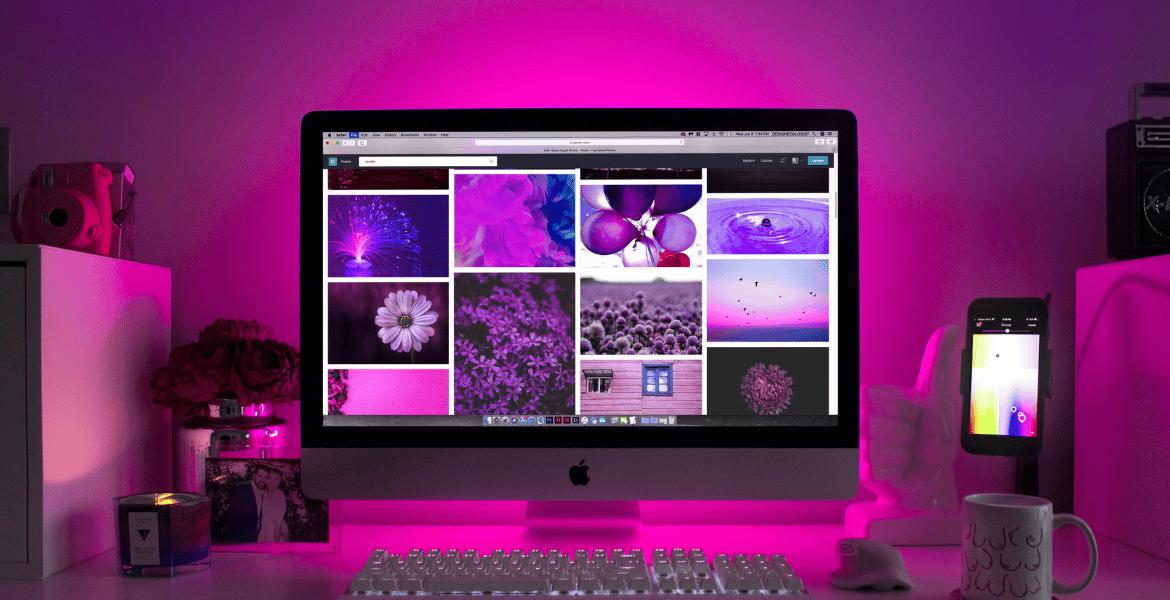
Once considered a purely analog technique reserved for scrapbooks, avant-garde posters, and print editorials, collage art is experiencing an inspiring renaissance in the digital era. As brands and creators search for fresh, authentic ways to tell their stories, digital collage has emerged as a powerful vehicle to blend nostalgia, innovation, and emotion into compelling visual narratives.
Here’s why collage is making such a striking comeback—and how you can leverage it in your own storytelling.
Why Collage Appeals to Modern Audiences
In an age where audiences are bombarded with polished stock photography and templated designs, collage art feels refreshingly human. Its hand-made aesthetic conveys a sense of personality and imperfection that resonates with people craving authenticity.
Collage also offers unlimited creative freedom. By layering photos, textures, typography, and illustrations, designers can craft visuals that evoke memories, challenge conventions, or spark curiosity. This flexibility makes it a perfect fit for brands looking to stand out in crowded digital spaces.
The Emotional Power of Collage
Part of collage’s allure lies in its ability to tap into emotion. The juxtaposition of disparate elements—a vintage photograph paired with a bold neon graphic, or a torn newspaper layered over abstract shapes—creates unexpected connections. These contrasts often evoke a sense of nostalgia or discovery that engages audiences on a deeper level.
Whether used in social media campaigns, website hero banners, or product packaging, collage can transform otherwise ordinary content into a visual experience that feels intimate and alive.
Where Digital Collage Thrives
Collage art has found a natural home across many platforms and touchpoints, including:
- Social Media: Brands use digital collages in Instagram posts, stories, and TikTok videos to create scroll-stopping visuals that feel fresh and handmade.
- Editorial Content: Online magazines and blogs embrace collage to illustrate articles with layered imagery and textured backdrops that set the tone.
- Branding: Startups and creative brands integrate collage into their visual identity to signal originality and authenticity.
- Advertising: Collage helps campaigns stand out with surreal or playful compositions that grab attention and stay memorable.
Best Practices for Creating Digital Collage
To use collage effectively in your digital storytelling, consider these tips:
✅ Define Your Narrative
Before diving into layers and textures, clarify the message you want to communicate. What emotions do you want to evoke? What story are you telling?
✅ Balance Chaos and Clarity
Collage can easily become cluttered. Make sure there’s a clear focal point—whether it’s a product, a headline, or a call to action—so viewers know where to look first.
✅ Leverage Texture and Contrast
Use torn edges, paper overlays, and grainy textures to create depth and richness. Pair old and new elements for contrast that feels dynamic.
✅ Stay Consistent with Your Brand
Even though collage feels eclectic, it should still reflect your brand’s colors, typography, and tone of voice.
✅ Optimize for Digital Platforms
Ensure your collage translates well across screen sizes. Test how it appears on mobile and desktop to maintain impact and readability.
The Future of Collage in Digital Design
As visual culture evolves, collage art will continue to be a playground for experimentation. Its unique blend of storytelling and creativity makes it a vital tool for brands that want to forge authentic connections and differentiate themselves.
So, if you’re looking to elevate your brand’s storytelling, don’t shy away from embracing the layered beauty of digital collage.