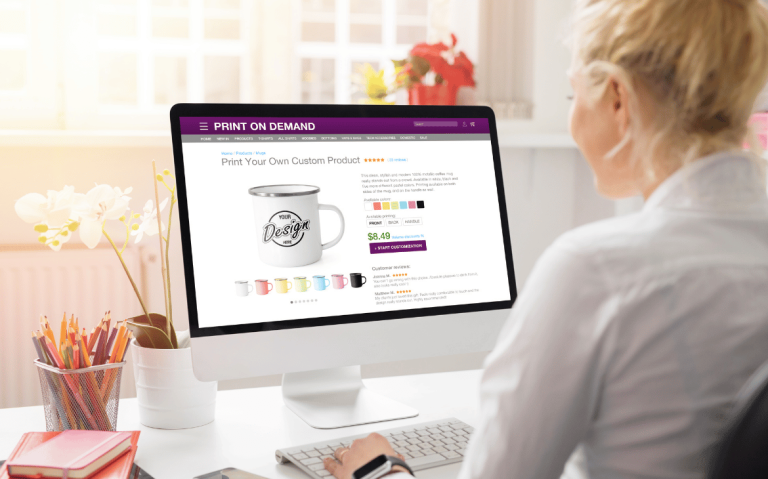
In today’s digital-first world, your brand identity is defined by how your audience sees, remembers, and connects with your business. One of the most critical elements of brand building in 2025 is visual consistency — the ability to maintain a unified design style across all platforms, products, and marketing channels.
From your website and social media graphics to your packaging and advertising campaigns, consistent visuals make your brand instantly recognizable. Without it, you risk creating confusion, losing trust, and weakening your presence in a highly competitive market.
This article explores why visual consistency matters, its impact on branding, and practical strategies to build a cohesive visual identity.
What Is Visual Consistency?
Visual consistency means maintaining a uniform look and feel across every touchpoint where your audience interacts with your brand. It ensures your colors, typography, imagery, icons, and layouts remain aligned with your brand guidelines.
Key benefits of visual consistency include:
- Improved recognition: Users instantly associate designs with your brand
- Better trust: A consistent identity builds credibility and reliability
- Stronger emotional connection: Familiar visuals create a sense of belonging
- Higher engagement: Cohesive designs guide users more effectively
Simply put, visual consistency makes your brand memorable and trustworthy.
The Role of Visual Consistency in Brand Identity
In 2025, customers interact with brands across multiple platforms — websites, social media, apps, emails, and ads. If your designs look inconsistent, users struggle to recognize your brand, reducing engagement and conversions.
For example, if your Instagram posts use bright, playful colors, but your website uses muted tones, users may feel disconnected from your brand story. A unified visual identity ensures your messaging, tone, and design are aligned everywhere.
How to Achieve Visual Consistency
1. Create a Comprehensive Brand Style Guide
A brand style guide ensures designers, marketers, and developers work with the same rules and standards. It should include:
- Logo usage and sizing rules
- Primary and secondary color palettes
- Typography hierarchy
- Iconography and image style guidelines
2. Use Consistent Templates and Components
Leverage design systems and pre-approved templates to maintain consistency across websites, apps, and marketing campaigns. Tools like Figma, Canva, and Adobe XD make this easy.
3. Align Visuals with Brand Personality
Your brand visuals should reflect your values, voice, and positioning. For instance, luxury brands use minimalist, elegant designs, while playful brands choose vibrant, bold aesthetics.
4. Audit Your Brand Regularly
Review your website, social content, and marketing materials to ensure designs remain cohesive and up to date.
The Impact on User Experience and Conversions
Consistent visuals don’t just look professional — they improve user experience. A familiar design language reduces cognitive effort, making it easier for customers to navigate, trust, and engage with your brand.
This directly leads to higher conversion rates, stronger loyalty, and better brand recall.
Final Thoughts
In 2025, visual consistency is the foundation of a strong brand identity. By maintaining uniform colors, typography, imagery, and layouts across all platforms, businesses create trustworthy, recognizable, and engaging experiences.
A cohesive visual identity doesn’t just enhance aesthetics — it strengthens brand loyalty, improves customer retention, and sets you apart from competitors in an increasingly crowded marketplace.