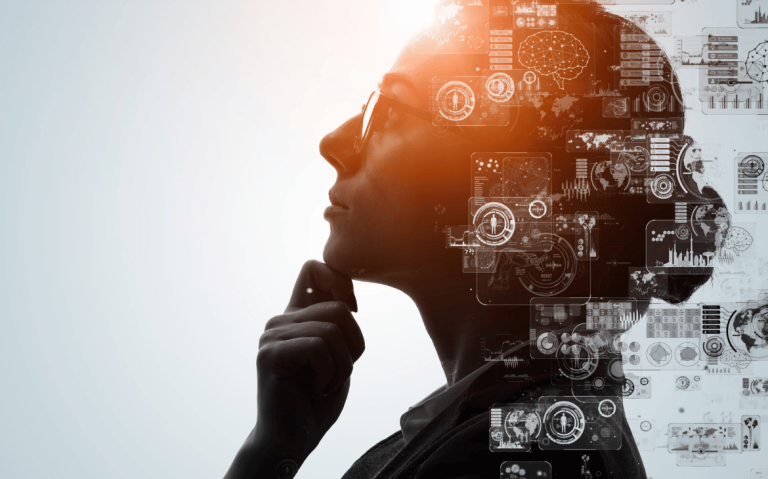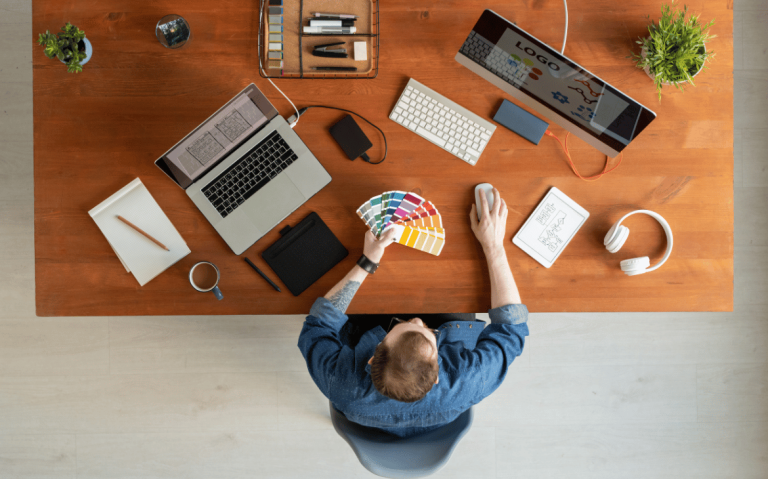
In 2025, the world of digital design sits at an exciting crossroads where artistic expression meets technological innovation. Designers today are no longer just visual artists or technical experts — they are creative technologists who use both imagination and digital tools to craft immersive, functional, and emotionally engaging experiences.
The intersection of art and technology has redefined what digital design can be, inspiring new forms of creativity, interactivity, and problem-solving. This fusion is transforming everything from UI/UX and branding to animation, AI-driven experiences, and virtual environments.
The Evolution of Digital Design: Where Art Meets Innovation
Digital design began as a technical discipline focused on structure and functionality. Over time, visual aesthetics and creative storytelling became equally important. Today, design blends:
- Artistic skill (color theory, composition, illustration, emotion)
- Technological power (AI, VR, responsive systems, automation)
This combination allows designers to create experiences that are not only visually appealing but also dynamic, data-driven, and deeply personalized.
Art brings emotion; technology brings precision. Together, they create impact.
How Technology Enhances Artistic Creativity
Modern tools give designers more freedom than ever before. Instead of replacing creativity, technology amplifies it.
a) AI-Assisted Design Tools
AI tools like Figma AI, Adobe Firefly, and Midjourney help designers:
- Generate ideas faster
- Explore creative variations
- Automate repetitive tasks
- Enhance productivity
AI is a collaborator, not a competitor — a creative partner that expands what’s possible.
b) Motion Graphics and 3D Visualization
Advanced software enables designers to create:
- Interactive animations
- Cinematic transitions
- Realistic 3D models
- Immersive digital environments
These artistic elements make digital experiences feel alive and emotionally compelling.
c) Coding as a Creative Language
Front-end technologies like CSS animations, WebGL, and JavaScript frameworks transform designers into creators of interactive art on the web.
How Art Humanizes Technology
While technology drives efficiency and functionality, art brings meaning, empathy, and emotional depth.
Art influences digital design by:
- Setting tone and atmosphere
- Telling stories that resonate
- Reflecting culture and identity
- Evoking emotion through color, typography, and imagery
This human-centered layer makes digital products more intuitive and enjoyable to use.
Real-World Examples of Art + Technology in Action
Apple
Blends minimalist art with advanced engineering to create iconic product experiences.
Spotify
Uses data visualization and motion art to create personalized, emotionally rich user experiences like Spotify Wrapped.
Nike
Combines digital storytelling, immersive visuals, and interactive animations for high-impact marketing campaigns.
AR/VR Experiences
Virtual galleries, immersive training simulations, and interactive product demos merge art and spatial computing.
These examples show how art and technology amplify one another to create unforgettable experiences.
The Future of Digital Design: Where the Fusion Is Heading
The intersection of art and technology will continue to grow through:
- AI-generated personalized interfaces
- Holographic and mixed-reality experiences
- Emotion-aware design powered by biometrics
- Advanced generative design workflows
- Interactive storytelling driven by real-time data
Designers of the future will become both artists and engineers, crafting experiences that are visually stunning, emotionally resonant, and technologically advanced.
Conclusion
The intersection of art and technology is shaping the future of digital design in extraordinary ways. Designers today harness creativity and innovation to craft digital experiences that are functional, emotional, and immersive all at once. As tools evolve and imagination expands, this fusion will lead to richer interactions, deeper storytelling, and smarter user-centered experiences. Art gives technology soul. Technology gives art power. Together, they create the digital world of tomorrow.