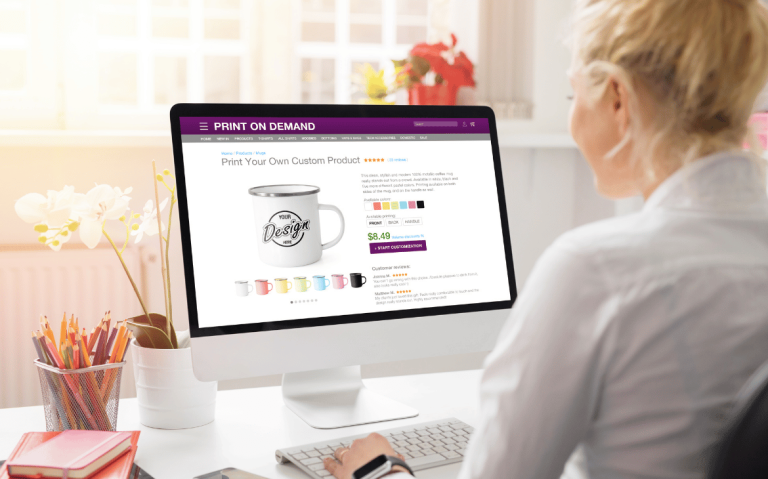
In 2025, brands no longer rely solely on static visuals or simple layouts to attract and retain users. Today’s audiences expect immersive, interactive experiences that make them feel involved, connected, and emotionally engaged. This shift has made interactive design one of the most powerful tools for building memorable brand identities and enhancing digital engagement.
Interactive design goes beyond aesthetics — it transforms passive users into active participants. By blending motion, storytelling, and responsive elements, brands create digital environments that users can explore, not just view. This sense of involvement leads to higher retention, stronger loyalty, and better conversion rates.
What Makes Interactive Design So Powerful?
Interactive design taps into human curiosity and the desire to engage with meaningful content. When users can click, scroll, move, and react, they form a deeper connection with a brand’s message.
Key benefits include:
- Enhanced user engagement: Users spend more time exploring.
- Improved recall and recognition: Interactivity creates lasting impressions.
- Emotional storytelling: Interactive elements bring narratives to life.
- Higher conversions: Dynamic interactions guide users toward key actions.
- Differentiation: Immersive experiences help brands stand out.
In a saturated digital landscape, being memorable is everything — and interactivity delivers that impact.
Elements of Immersive Interactive Design
a) Micro-Interactions
Small, intentional animations — like hover effects, button feedback, or small movements — make interfaces feel alive and intuitive. These subtle moments improve usability and delight users.
b) Scroll-Based Animations
Parallax effects, section reveals, and dynamic transitions turn scrolling into an engaging journey, encouraging deeper exploration.
c) Interactive Storytelling
Brands use clickable timelines, product builders, and narrative sequences to present content in a uniquely engaging format.
d) Motion Graphics and 3D Elements
3D visuals, interactive objects, and motion graphics create rich, immersive environments that enhance brand personality.
e) Personalized Experiences
Interactive design powered by AI or user behavior creates experiences tailored to each visitor — increasing emotional connection and relevance.
How Interactivity Strengthens Brand Identity
A brand is not just a logo — it’s an experience. Interactive design reinforces brand identity through:
- Consistent motion patterns that reflect brand personality
- Dynamic typography and color shifts that enhance emotional tone
- Custom-built animations that make brand elements feel unique
- Interactive product showcases that communicate value instantly
These techniques help brands express who they are in ways static design can’t achieve.
Real-World Applications of Immersive Design
Many leading companies now use interactive design to transform user journeys:
- Nike: Interactive product builders and animated storytelling.
- Apple: Smooth scroll animations and immersive product reveals.
- Airbnb: Interactive guides that emphasize experiences over listings.
- Spotify: Personalized interactive playlists wrapped in visual animations.
These brands understand that interactivity creates emotional engagement, which leads to long-term loyalty.
Best Practices for Designing Immersive Experiences
- Keep it purposeful: Every animation or interaction should support the message.
- Maintain performance: Heavy effects should not slow down the website.
- Ensure accessibility: Interactivity should be inclusive and easy to use.
- Stay consistent: Motion and interaction styles must follow a unified system.
- Test thoroughly: Interactions should feel smooth and intuitive across all devices.
The goal is to create interactivity that feels natural, meaningful, and user-centered — not overwhelming.
Conclusion
In 2025, creating immersive brand experiences through interactive design is no longer optional — it’s essential. Brands that embrace interactive storytelling, dynamic visuals, and user-driven engagement build deeper emotional connections and set themselves apart.
Interactive design turns digital experiences into journeys, inviting users to explore, participate, and connect. And when users feel part of the experience, they’re far more likely to remember, trust, and choose your brand.