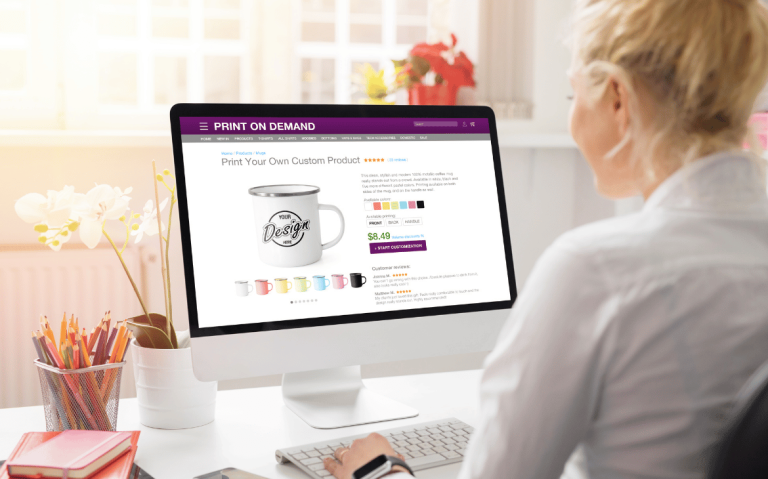
In the world of e-commerce, your product page is your salesperson. It is the place where users make the final decision: Do I buy this or not? In 2025, shoppers expect product pages that are not only visually appealing but also informative, trustworthy, and effortless to navigate. A well-designed product page directly influences conversion rates, abandoned carts, and customer satisfaction.
To drive e-commerce sales effectively, brands must design product pages that deliver clarity, confidence, and convenience — all while creating an emotional connection with shoppers.
Why Product Page Design Matters More Than Ever
Customers today have countless online shopping options. If your product page doesn’t immediately communicate value and trust, users will leave — often within seconds.
A high-performing product page:
- Answers customer questions
- Removes doubts
- Highlights benefits
- Shows value clearly
- Guides users to checkout with confidence
Great product pages reduce hesitation and lead users toward a smooth, confident purchase decision.
Key Elements of High-Converting Product Pages
a) Clear and High-Quality Product Images
Visuals are the first thing shoppers notice. Use:
- Large high-resolution images
- Multiple angles
- Zoom functionality
- Lifestyle photos
- 360° product views (increasingly common in 2025)
Images should help customers visually experience the product before buying.
b) Strong, Benefit-Focused Product Title and Description
Avoid generic descriptions. Focus on:
- What the product does
- Why users need it
- Clear features and benefits
- Easy-to-scan bullet points
Write descriptions that educate, persuade, and build trust.
c) Pricing and Discounts Displayed Prominently
Users should never hunt for the price.
Highlight:
- Current price
- Discount or savings
- Installment options
- Limited-time offers
Clear pricing boosts transparency and reduces doubt.
d) Trust Builders (Reviews, Ratings & Proof)
User-generated content is crucial. Include:
- Verified customer reviews
- Star ratings
- Photo/video reviews
- Testimonials
- “Verified purchase” labels
- Trust badges (secure checkout, guarantees, etc.)
Social proof often determines whether a shopper converts or leaves.
Optimizing the Call-to-Action (CTA)
Your CTA button (“Add to Cart” or “Buy Now”) must be impossible to miss. Make it:
- Bold
- High contrast
- Large enough for mobile
- Action-focused (“Add to Cart,” not “Submit”)
A strong CTA creates clarity and ease — essential for conversions.
The Power of Personalization and Recommendations
Personalized experiences increase e-commerce sales significantly. Add:
- Similar product suggestions
- “Customers also bought” sections
- Recently viewed items
- Personalized upsells
Smart recommendations improve average order value and customer satisfaction.
Mobile-First Product Page Design
With over 70% of shoppers buying via mobile in 2025, your product page must be:
- Fast
- Responsive
- Easy to scroll
- Touch-friendly
Optimize images, reduce clutter, and ensure CTAs are thumb-friendly.
Speed, Performance, and Technical UX
- Compressing media
- Using lightweight scripts
- Implementing lazy loading
- Leveraging CDN hosting
Even a one-second delay can reduce conversions by up to 20%.
Conclusion
In 2025, designing product pages that drive e-commerce sales requires a mix of visual impact, trust-building elements, clear communication, and seamless user experience. A high-converting product page guides users effortlessly from curiosity to purchase by answering their questions, reducing friction, and highlighting value.
When done right, your product page becomes more than a layout — it becomes a conversion machine that boosts sales, loyalty, and brand credibility.