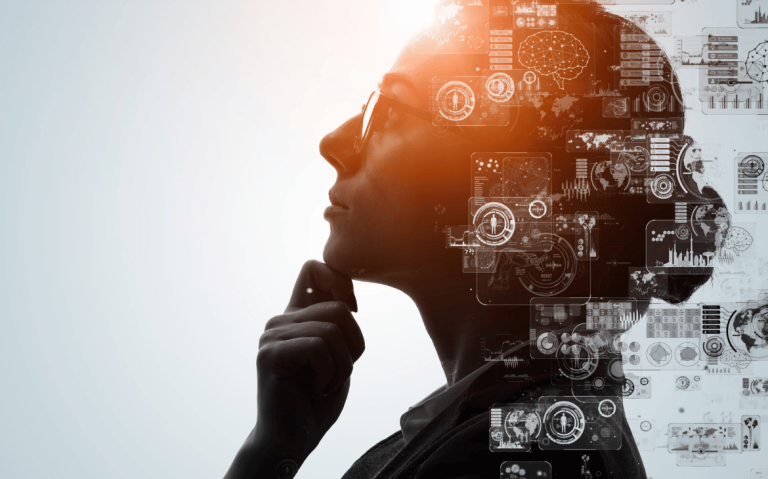
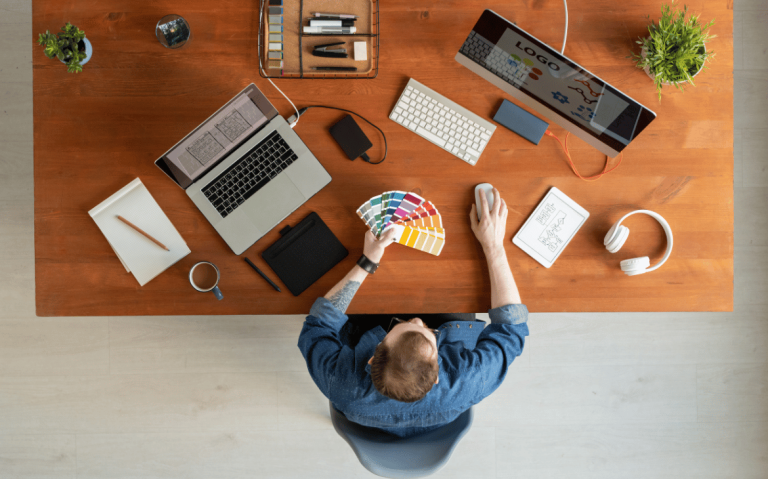
In 2025, the freelance design world is undergoing a massive transformation. The rise of artificial intelligence (AI) and automation has reshaped how designers work, collaborate, and create. What once required hours of manual effort can now be accomplished in minutes — not by replacing designers, but by enhancing their creative power.
The future of freelance design lies in collaboration between human creativity and AI precision. Freelancers who embrace this shift are discovering new ways to save time, increase output, and deliver even more impactful work.
The AI Revolution in Freelance Design
AI has evolved from being a supporting tool to becoming a creative partner. Platforms like Figma AI, Adobe Firefly, and Midjourney now handle repetitive design tasks such as resizing, layout adjustments, and image generation — freeing freelancers to focus on strategy, storytelling, and innovation.
AI in freelance design now helps with:
- Idea generation: Producing concept variations instantly.
- Automation: Handling resizing, formatting, and exporting.
- Research: Analyzing trends, colors, and competitor visuals.
- Personalization: Customizing visuals for different audiences.
Instead of replacing designers, AI allows them to work smarter, taking care of time-consuming details so they can focus on creative thinking.
Collaboration Between Humans and Machines
The future isn’t about AI versus humans — it’s about AI and humans together. Freelancers are learning how to guide AI systems through clear prompts, design rules, and brand understanding.
For instance, a designer might use AI to:
- Generate multiple logo concepts in minutes.
- Refine layouts based on brand guidelines.
- Create adaptive color schemes or animation ideas.
Then, the designer applies their human expertise — emotion, empathy, and storytelling — to perfect the results. This human-AI synergy produces work that’s not only efficient but also deeply creative.
Benefits of AI and Automation for Freelancers
a) Faster Turnaround Times
Automation tools handle repetitive tasks like exports, mockups, and resizing, cutting project delivery times by up to 60%.
b) Increased Productivity
Designers can focus on conceptual and strategic aspects instead of technical execution.
c) Better Client Collaboration
AI-powered tools like Notion AI or ChatGPT help freelancers write proposals, generate content, and streamline communication.
d) Expanded Skillsets
AI opens new opportunities in data-driven design, UX personalization, and brand automation, giving freelancers a competitive edge.
Challenges and Opportunities
While AI brings incredible efficiency, freelancers must also navigate new challenges:
- Ethical concerns: Ensuring originality and respecting copyrights.
- Tool dependency: Avoiding over-reliance on automation.
- Learning curve: Adapting to constantly evolving technology.
Those who embrace AI responsibly will find it an invaluable ally — not a threat. The key is learning to balance automation with authentic creativity.
The Future Skillset for Freelance Designers
In the coming years, success will depend on mastering both creative intuition and technical AI literacy. The most sought-after freelancers will:
- Use prompt engineering to guide AI tools.
- Understand UX data and behavior analytics.
- Blend design psychology with automation.
- Build personal AI workflows for efficiency.
Conclusion
The future of freelance design is collaborative, automated, and deeply creative. In 2025 and beyond, AI isn’t replacing designers — it’s amplifying their potential.
By combining human imagination with AI efficiency, freelancers can produce smarter, faster, and more innovative designs while focusing on what truly matters — creating meaningful, emotional, and strategic experiences.
The designers who thrive will be those who see AI not as competition, but as their most powerful creative partner.